


The Media Relations Gap
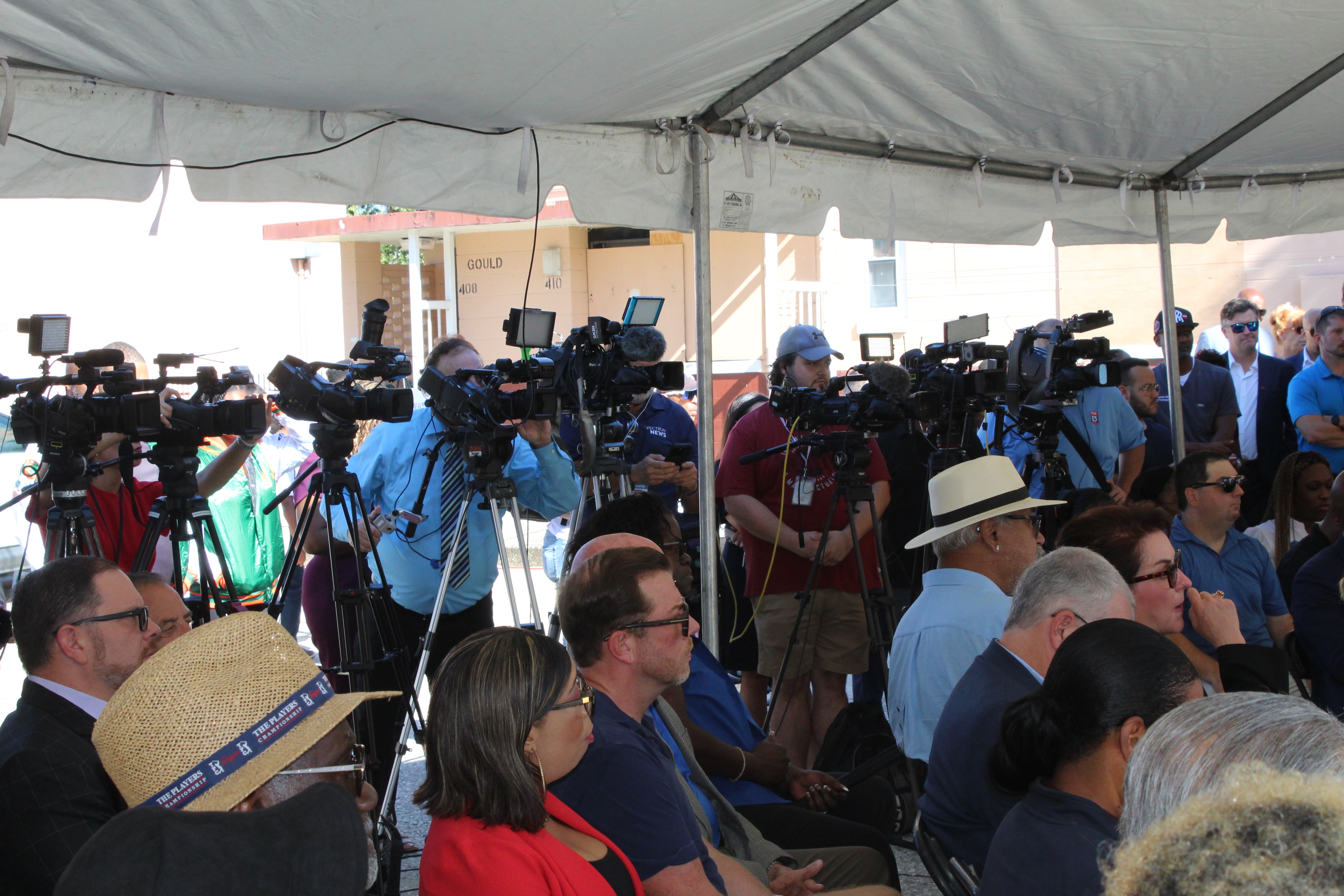
The Media Relations Gap: Stop Playing Defense
by Rose Lugo, Ed.D., Director of Public Relations & Strategic Communications, Tampa Housing Authority
In the world of public service, media relations is often treated as an afterthought-an auxiliary duty assigned to someone with a full plate and no formal training. The result is predictable: missed opportunities, reactive messaging, and a public image shaped by others. It is no different for housing authorities and it is really a leadership issue.
At the Tampa Housing Authority (THA), we have taken a different approach. We view media relations as a strategic function, not a support task. Our philosophy is rooted in the belief that journalists are not adversaries, but partners in our shared mission of informing the public and advancing the common good. This mindset has allowed us to build trust, shape narratives, and elevate our agency's visibility in ways that matter, yielding thousands of positive news media mentions a year.
The Pitfalls of Passive PR
Too many housing authorities fall into one of two traps. In the first, media relations is no one's true job. It is delegated to a staff member whose primary responsibilities lie elsewhere-often in compliance, administration, or resident services. In the second, communications is led by professionals who are buried in red tape, outdated policies, and approval processes that stifle creativity and responsiveness.
In both cases, the outcome is the same: stale outreach, missed opportunities, and a growing disconnect between the agency and the public it serves. Worse, some leaders have cultivated a culture of distrust toward the media, treating journalists as a threat rather than a resource. Media requests are handled like public records requests-slow, cautious, and devoid of strategic intent.
Partnering with Journalists
At THA, we have adopted a proactive, journalist-centered approach that mirrors best practices from organizations like the Public Relations Society of America (PRSA). We do not wait for the media to come to us-we build relationships, anticipate needs, and position ourselves as a reliable source of information and insight.
Here are ten principles that guide our media relations strategy:
1. Know Your Audience: Understand not just the journalist, but their outlet, audience, and content format. Tailor your pitch accordingly.
2. Go Beyond the Press Release: Journalists receive hundreds of emails daily. A phone call, a personal connection, and an exclusive angle can make all the difference.
3. Think Like a Journalist: Ask yourself, "Is this news?" If the answer is no, consider internal channels like newsletters or social media instead.
4. Be Available: Responsiveness builds credibility. Even in a crisis, a simple holding statement shows that your agency is engaged and accountable.
5. Be Resourceful: Provide photos, video, and background materials. Make it easy for journalists to cover your story.
6. Leverage Public Records Requests: Transparency is not optional-it is foundational to public trust. Answer promptly and ask, what else do you need?
7. Show Up: Invite journalists for coffee, attend big press events unrelated to your agency. Shake hands with news makers. Make yourself known and build relationships. Do not overlook photographers, they are key storytellers in the newsroom. (P.s.: If you don't drink coffee, start!)
8. Engage on Social Media: Follow journalists, comment on their work, and show appreciation. Rapport is built one interaction at a time.
9. Newsjack: When a story breaks that aligns with your mission, offer a statement or expert commentary. Do not shy away from injecting your agency into the conversation, as long as it serves your mission.
10. Track and Share Your Wins: Collect clippings, celebrate placements, and share them with leadership. Educating stakeholders on how storytelling supports mission impact is key.
The Results Speak for Themselves
At THA, this approach has paid dividends. Journalists now seek us out for comment even on stories we are not featured. Our stories are told with accuracy and nuance. Most importantly, our residents and stakeholders see an agency that is transparent, responsive, engaged-and they are proud.
Get out of defense mode. Housing authorities across the country have powerful stories to tell. It is time we told them well. When journalists start looking to you for news headlines, you earned your position as a valued news source and your agency is effectively advancing its mission. One reporter once told me, "My editor said if I wanted to get anything done in housing, I had to talk to Rose." If you are not telling your story, then who?
